The Real Housewives of New York City · Bravo
Bethenny Frankel
Bethenny Frankel turned RHONY into Skinnygirl into a reported $120M exit. The blueprint for how reality TV cast members convert visibility into category-defining brands.
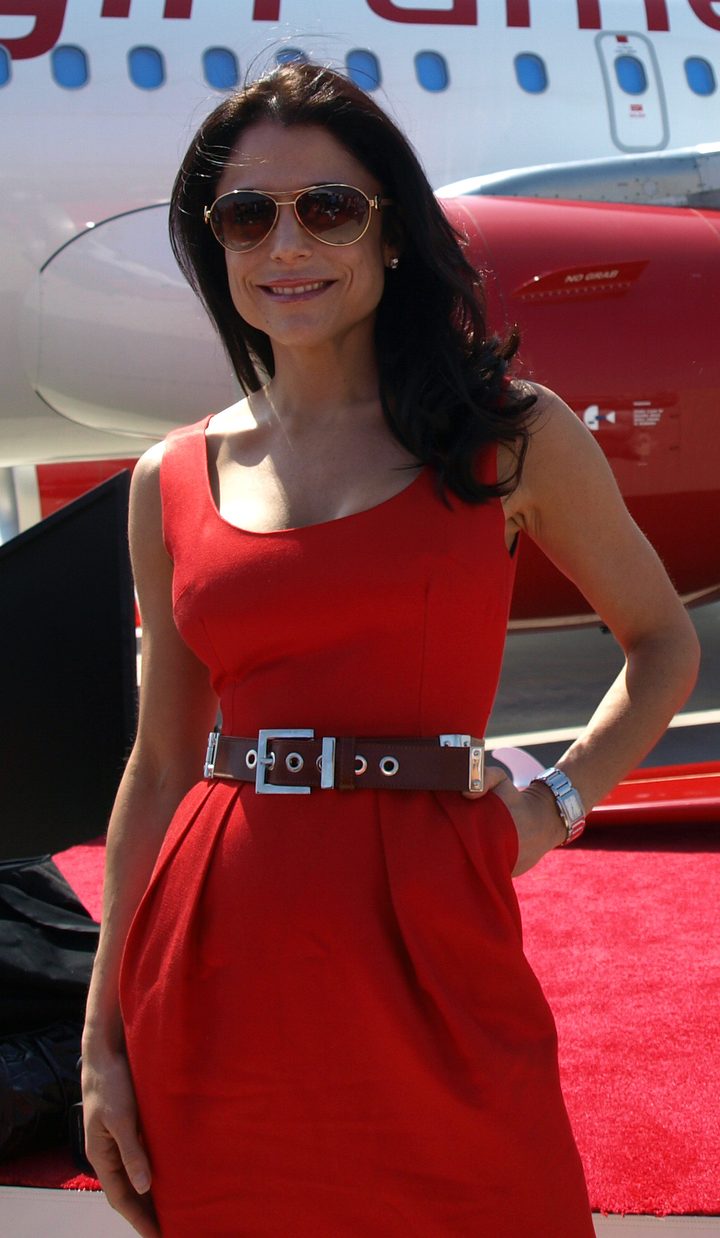
If you wanted to point at the single cleanest example of “reality TV cast member converts on-screen brand into business equity,” you would point at Bethenny Frankel.
Frankel’s path is the platonic case. She joined the cast of The Real Housewives of New York City in 2008, was on the show for three seasons, launched a pre-mixed cocktail called Skinnygirl Margarita on the back of her on-screen persona, and sold the alcohol portion to Beam Global in 2011 for a reported ~$120 million. She returned to RHONY for several more seasons. She launched a podcast. She became one of the loudest public critics of the very network that made her famous.
The estimated net worth today, per Celebrity Net Worth, is around $80M. That’s lower than the headline Skinnygirl number because the structure of the Skinnygirl deal — never officially confirmed by Beam Suntory, often reported as including significant earn-outs — was probably more complicated than the headline implied. We’ll come back to that.
But the architecture of what Frankel built is more important than the precise number. Here’s how to think about it.
The pre-RHONY years
A detail most coverage skips: Frankel did not arrive at RHONY unknown. She was the runner-up on The Apprentice: Martha Stewart in 2005, which is a small data point but a load-bearing one. She had already been on television, already been packaged, already learned that her on-camera persona — the wry New Yorker with sharp edges and a working palate — read well in primetime. RHONY was her second TV credit, not her first.
When Bravo’s casting team picked her up for the inaugural RHONY cast in 2008, they were drafting a known commodity. She knew it, too. Multiple post-show interviews suggest she went into RHONY with a clear theory of how to use it.
That theory was: use the show as a distribution platform for a product, not as a career.
Skinnygirl, told as a business case
The Skinnygirl Margarita launched commercially in 2009 — Season 2 of RHONY. Frankel had been talking about it on the show. Episodes showed her drinking it. Episodes showed her giving it to other cast members. The product was not a sponsorship; it was a plot point.
By 2011, Beam Global (now Beam Suntory) had acquired the alcohol portion of Skinnygirl. The widely-reported $120M figure was never officially confirmed; the actual structure almost certainly included contingent earn-outs tied to forward sales targets. Frankel has discussed the deal in interviews but has generally been opaque about the precise economics.
What’s not opaque: she retained the Skinnygirl name for non-alcohol categories. Salad dressings. Popcorn. Shapewear. Supplements. The Skinnygirl brand extension footprint is now substantial across the grocery store, much of it manufactured by partners under licensing arrangements that pay Frankel ongoing royalties.
The genius of the structure was the brand-versus-category split. Beam got the alcohol category. Frankel kept the brand that could be applied to anything. The latter has compounded for fifteen years.
The post-Skinnygirl career
Frankel left RHONY in 2010, returned in 2015 for Seasons 7-11, left again in 2019. In between and after:
- Bethenny Getting Married? (2010) and Bethenny Ever After — spinoff vehicles that extended her TV footprint without requiring her to share screen time with a cast
- Bethenny (2013-14) — daytime talk show, ran one syndicated season
- Just B with Bethenny Frankel podcast (2020-present) on iHeart — the show that’s been the most surprisingly durable of her post-RHONY ventures
- “Mention It All / Reality Reckoning” podcast series (2023) — her public campaign to unionize reality TV cast members and reform Bravo’s labor practices
The podcast and the reality-reckoning work are the most interesting things she’s done in the last five years. Frankel is now the loudest credible voice on labor conditions in unscripted TV. That’s a deliberate position — she’s positioned herself as the cast advocate, with pending lawsuits at Bravo and Love Is Blind effectively giving her the editorial high ground.
She’s also, not coincidentally, one of the only people who can credibly speak about reality TV economics because she’s the only one who’s seen the full lifecycle from inside. Most cast members get the show, then leave, then go quiet. Frankel got the show, then leveraged it, then kept talking about how the show worked — for fifteen years.
What’s transferable
Three lessons from the Frankel case study.
1. The show is a distribution channel for the product, not the product itself. Most cast members treat the show as a destination. Frankel treated it as a media buy with a 0% media spend. She was running her product launch inside a reality TV show. The cost of that promotional inventory, if you priced it as ad space, would have been astronomical. She paid for it by being good on television.
2. Brand retention beats category exit. Selling Skinnygirl’s alcohol arm to Beam was the cash event. Keeping the Skinnygirl brand was the durable event. Every founder who sells a brand should think about which assets stay with them. Most don’t think about it carefully and leave the brand on the table.
3. Post-show influence requires a continued platform. Most reality TV cast members fade in the 24 months after their last season because they lose the distribution. Frankel built a podcast specifically to maintain her audience without depending on Bravo to renew her. That cost her roughly four years of revenue to build, but it’s now the engine that makes everything else she does possible.
What to watch
- The McSweeney case (trial proceeding) and the broader reality TV labor reckoning — Frankel is functionally the spokesperson for one side of this fight
- Skinnygirl brand extensions — Frankel has talked publicly about beauty and wellness category expansion
- Whether Bravo ever tries to bring her back to the franchise (a long shot given her current public posture, but a constant rumor)
Net worth estimate per Celebrity Net Worth ($80M, 2025-26). The widely-reported $120M Skinnygirl sale price is per multiple secondary sources but was never officially confirmed by Beam Suntory. The reported deal structure included an alcohol-category exclusive plus brand-retention rights for non-alcohol categories.